Spoilers for Inquisitor: Rise of the Red Blade
The fall of Anakin Skywalker is a compelling tale of what happens when jealousy, attachment, and anger take root in one’s soul. At the same time, it is an example on what can happen when the systems that are supposed to work for the people begin to work more for themselves instead. This is true of the Jedi Order, which failed Anakin in part because of its focus on what he could provide it rather than what the Order could do to build him into being the best version of himself. However, he was not the only one the Jedi Order failed in such a spectacular fashion.
Iskat Akaris, the lead protagonist in Delilah S. Dawson’s newest Star Wars book, Inquisitor: Rise of the Red Blade, shows just how complete the Jedi’s failure was. Iskat is an outcast, both in her mind and her reality, who was consistently bullied by her peers and kept at arm’s length by her mentors. When she tried to reach out to those mentors, she was met with platitudes and Jedi mantras that did nothing to help her find who she truly was and where in the Order she truly belonged. Sound like someone familiar?
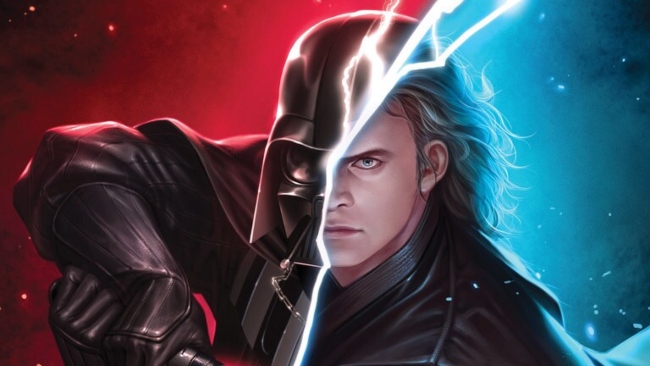
When Anakin joins the Jedi Order, he is different from the start. He is older than most brought into the Order, and his history as a slave does not magically disappear when he puts on the robes. Yet the Jedi do not take that into consideration with regards to how they train him. Instead, they act like his history is irrelevant and he should be able to fit within their structures regardless of it. Anyone who has a history of trauma can tell you that that is just not how it works. In fact, Iskat Akaris can tell you that that is not how it works.
While Iskat is not haunted by a history of slavery, she is tormented by other factors that outcast her from her peers. She does not know where she is from, knows nothing of her species, and is the only one of her kind in the Temple. Any time she asks questions about her history, she is shunned and silenced by the people that should be providing her answers and teaching her how to process them. Both Iskat and Anakin become othered by their peers because of their unique circumstances, and the Jedi Order does nothing but purport their own dogma as an answer, when it helped cause the problem in the first place.
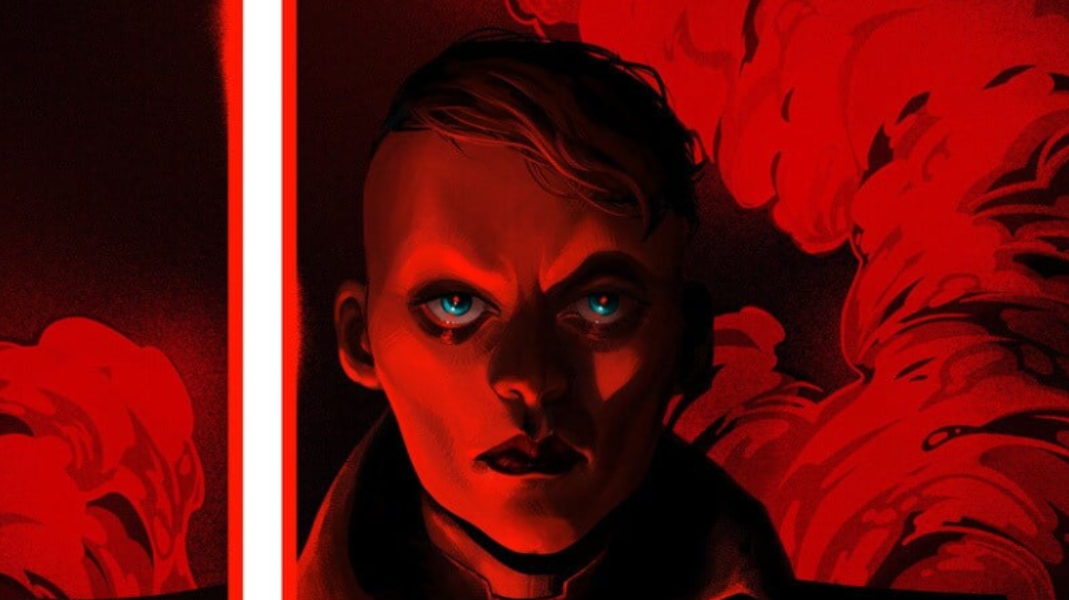
A major element of this dogma is the Jedi’s relationship with their emotions. During The High Republic, the Jedi are taught that emotions are natural and that it is how one handles those emotions that is important. Had Iskat and Anakin been born during that time period, their stories might have gone in a vastly different direction. Nonetheless, the two were both born during a time when Jedi were taught to ignore their emotions at best and shamed for having emotions at worst. A system like this directly harms emotional beings like Anakin and Iskat.
Mace Windu is a prime example of this harm in action. Rather than help, Mace Windu continually reminds Anakin, through both words and actions, that he does not trust him. In this Iskat and Anakin are the same. When Iskat goes off script to destroy a droid factory during a mission, she is punished for her actions by having to stay at the Temple for two years while The Clone Wars rage on. Mace blames it on the fact that there were workers underneath the factory, never taking ownership for the fact that he knew that to be true and did not provide that information to the team before their mission.
Mace does not shoulder the blame alone, though. Iskat and Anakin’s masters failed them as well. In Revenge of the Sith, Obi-Wan Kenobi comes to realize this for himself. “I have failed you, Anakin,” he says as he faces the shadow of his own shortcomings across from him. Shortcomings that look eerily similar to the boy he trained. The reality is that Obi-Wan was not ready to train Anakin, doing so because of a promise made to his dying Master, Qui-Gon Jinn. Iskat’s master, Sember Vey, made a similar promise that led to Iskat becoming her apprentice. As Master Vey is dying on Geonosis, Iskat holds her in a reflection of Obi-Wan holding a dying Qui-Gon. Sember calls out to Feyra, later revealed to be Iskat’s mother, apologizing for failing her, for not being able to keep her promise to make Iskat the best Jedi she could be. This sends Iskat into a search for answers, one that will reveal her hidden history and create even more of a rift between her and the Order.

The distrust and discord between Iskat and the Order continues to grow, as it did for Anakin. They begin to blame those who should be helping them for their problems, which is true at the beginning. However, this becomes an easy out for every failure, for everything that goes wrong. In Attack of the Clones, Anakin lays it out when he says, “It’s all Obi-Wan’s fault.” It is not far-fetched to imagine Iskat Akaris saying the same thing, replacing Obi-Wan’s name with Sember Vey, Mace Windu, or her other mentor, Klefan Opus. For both characters, the Jedi Order becomes limiting. They have tried and tried to find the answers there, tried and tried to figure out how to fit in, and they have been met with nothing but scolding and suspicions. They did it the right way and were told they were wrong.
When the answers are not in the light, one will turn to the dark. It promises hope not from its nature, but from the light’s betrayal of its own. After years of being told to push their emotions down, forget their pasts, and find meaning in platitudes that lost meaning to them a long time ago, Iskat and Anakin turn to the dark side in hopes that it will accept them. Which it does. It accepts their violence, their rashness, their anger. It accepts them because they can bring something to it. In return, it brings the one thing they have always searched for. It brings them the answer to all their questions. It brings them belonging.
Or, at least, it makes them believe it does.

 CLASHING SABERS